
Semantic SEO
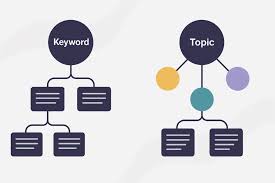
Semantic SEO is the practice of optimizing content around topics, context, and user intent, not just individual keywords. Instead of targeting one keyword repeatedly, Semantic SEO focuses on building content that fully answers a user’s query by covering related concepts, entities, and questions in a structured way. Search engines like Google no longer rank pages based only on keyword matching. They use natural language processing models such as Google BERT and Google MUM to understand context, relationships between words, and search intent. For example, if someone searches “best skincare for oily skin in humid weather,” Google understands this is not just about “skincare” or “oily skin.” It connects related topics like ingredients, climate impact, product types, and skin concerns. Semantic SEO ensures your content covers these related areas in a logical, structured way. So, semantic SEO = topic depth + context + intent alignment + structured clarity.
In 2026, Why Is Semantic SEO Essential to the SEO Industry?
Search engines understand meaning, not just keywords
Platforms like Google use AI to analyze context, intent, synonyms, and related entities. Content without depth or relevance will struggle to rank.AI search and generative results are expanding
AI-generated summaries prioritize semantically rich, well-structured content. Pages with clear topical relationships are more likely to be featured.Topical authority beats thin content
Google rewards websites that build strong topic clusters around pillar pages. Semantic SEO strengthens internal linking, subtopics, and expertise signals.Voice and conversational search are growing
Users search in natural language. Semantic SEO aligns content with real-world queries and long-tail search behavior.Better user experience improves rankings
Comprehensive answers increase dwell time, reduce bounce rates, and improve engagement, which supports stronger visibility.
In 2026, keyword stuffing is outdated. SEO is driven by AI, intent mapping, and contextual understanding. Semantic SEO is the foundation for long-term authority, visibility, and sustainable organic growth.